-
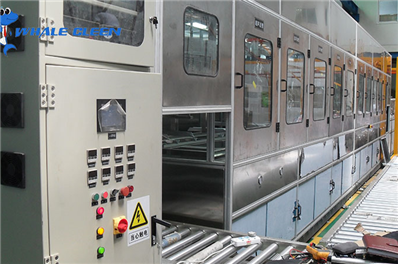 Cleaning Metal Piano Strings: Ultrasonic Cleaning Machine for Enhanced Sound Quality and Longevity
Cleaning metal piano strings is a crucial step in maintaining their sound quality and longevity. The use of an ultrasonic cleaning machine provides an efficient and reliable solution for removing dirt, stains, and grease from the surface and fine filament
-
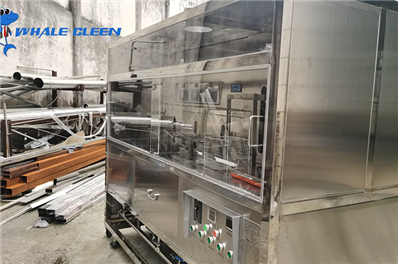 Cleaning Metal Musical Instruments: Enhancing Sound Quality and Performance with Ultrasonic Cleaning Machines
Cleaning metal musical instruments: Ultrasonic cleaning machine for removing dirt and grease from the exterior and interior of metal instruments, enhancing their sound quality and performance. Cleaning metal musical instruments is an essential aspect o
-
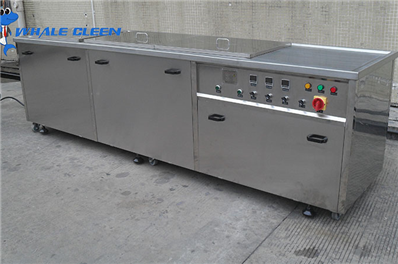 Revitalizing Piano Sound: Ultrasonic Cleaning for Piano Strings
Cleaning piano strings is a crucial step in maintaining the quality of a piano's sound and playability. Over time, dust and grime accumulate on the surface of piano strings, affecting the resonance and tone quality. A highly effective method for this
-
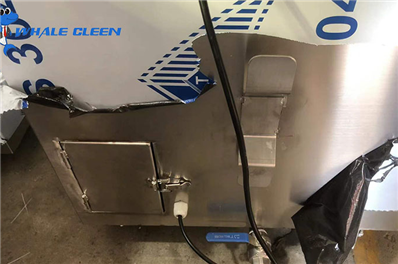 Ultrasonic Cleaning Machines: Preserving the Sound and Appearance of Metal Musical Instruments
Cleaning metal musical instruments is essential to maintain their hygiene, prolong their lifespan, and ensure optimal performance. Ultrasonic cleaning machines offer an efficient solution for thoroughly cleaning the surfaces and internal components of met
-
 How to Thoroughly Remove Micro‑Pore Contaminants in Hydraulic Components? This Ultrasonic Equipment Has Become the Industry Standard
In hydraulic system manufacturing, there is a scenario that plays out repeatedly in quality inspection rooms: A valve body passes every dimensional check, assembles perfectly, and ships to the customer. Then, after a few hundred operating hours, the syste
-
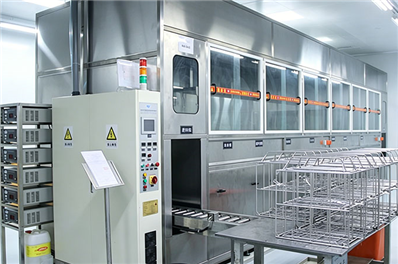 Precision Bearings Prone to Chipping and Scratching? Automated Ultrasonic Cleaning Machine Avoids Component Damage
Precision bearings are the lifeblood of modern mechanical transmission systems—from automotive drivetrains and high-speed machining spindles to aerospace actuators and industrial gearboxes. Yet, in countless workshops and production lines, the delicate ta
-
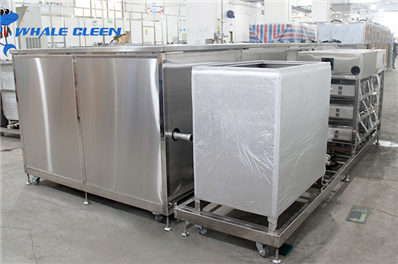 The Same Circuit Board, Different Results: Why Leading Electronics Manufacturers Are Switching to Industrial Ultrasonic Automatic Cleaning Machines
Look at the two PCBs. The first was cleaned with a manual brush and solvent dip. The second came from a fully automated ultrasonic cleaning line. To the naked eye, they look identical—solder joints shining, surfaces spotless, ready for assembly. But un
-
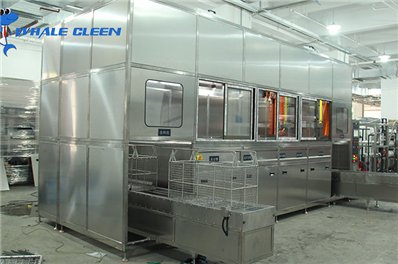 Metal Degreasing Without Strong Acid Soaking: The Hidden Cleaning Advantages of Ultrasonic Technology
In metal parts manufacturing, few processes carry as many hidden costs—and as many risks—as strong acid soaking for degreasing and rust removal. For decades, countless factories have relied on aggressive acid baths to strip oil, grease, and oxidation from
-
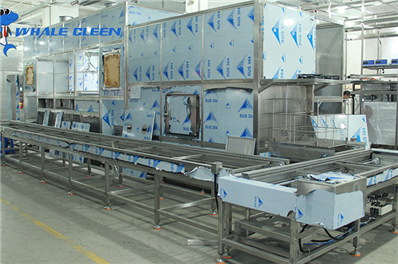 Ultrasonic Cleaning Machine for Aerospace Components: From High-Risk Traditional Methods to Non-Contact Degreasing That Safeguards Flight Safety
In the high-stakes world of aviation maintenance, cleaning is far from a routine chore — it is a direct pillar of flight safety. A single turbine blade contaminated with baked-on carbon deposits, a fuel nozzle with partially clogged orifices, or a hydraul
-
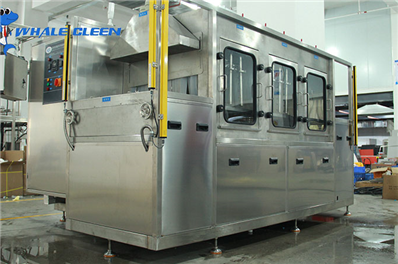 Why Is Ultrasonic Cleaning the Preferred Choice for Silicon Wafer Cleaning?
In semiconductor manufacturing, a single microscopic particle clinging to a silicon wafer surface can turn a high-value chip into scrap. As device geometries continue to shrink toward single-digit nanometer nodes, the tolerance for contamination has becom
-
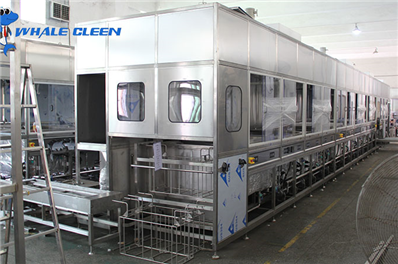 Precision Metal Stamping Parts Cleaning: Key Ultrasonic Equipment Selection Points — Why Whale Cleen Delivers Consistent, Damage‑Free Results
In high‑volume metal stamping production, cleaning is a process that is often underestimated—until it becomes the bottleneck. Stamped parts emerge from the press coated with heavy stamping oil, microscopic metal fines, and occasionally coolant residues. L
-
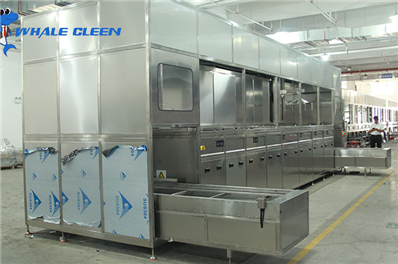 How to Choose a Fuel Injector Ultrasonic Cleaning Machine: A Practical Guide for Workshops and Engine Rebuilders
For automotive workshops, diesel service centers, and engine remanufacturing facilities, few problems are as common—and as frustrating—as clogged fuel injectors. Modern fuel injectors are precision components with microscopic spray holes (often 0.1–0.2 mm